
Affiliate Disclosure — Content Notice — Legal Disclosures — Newsletter — Home — Bottom of Post
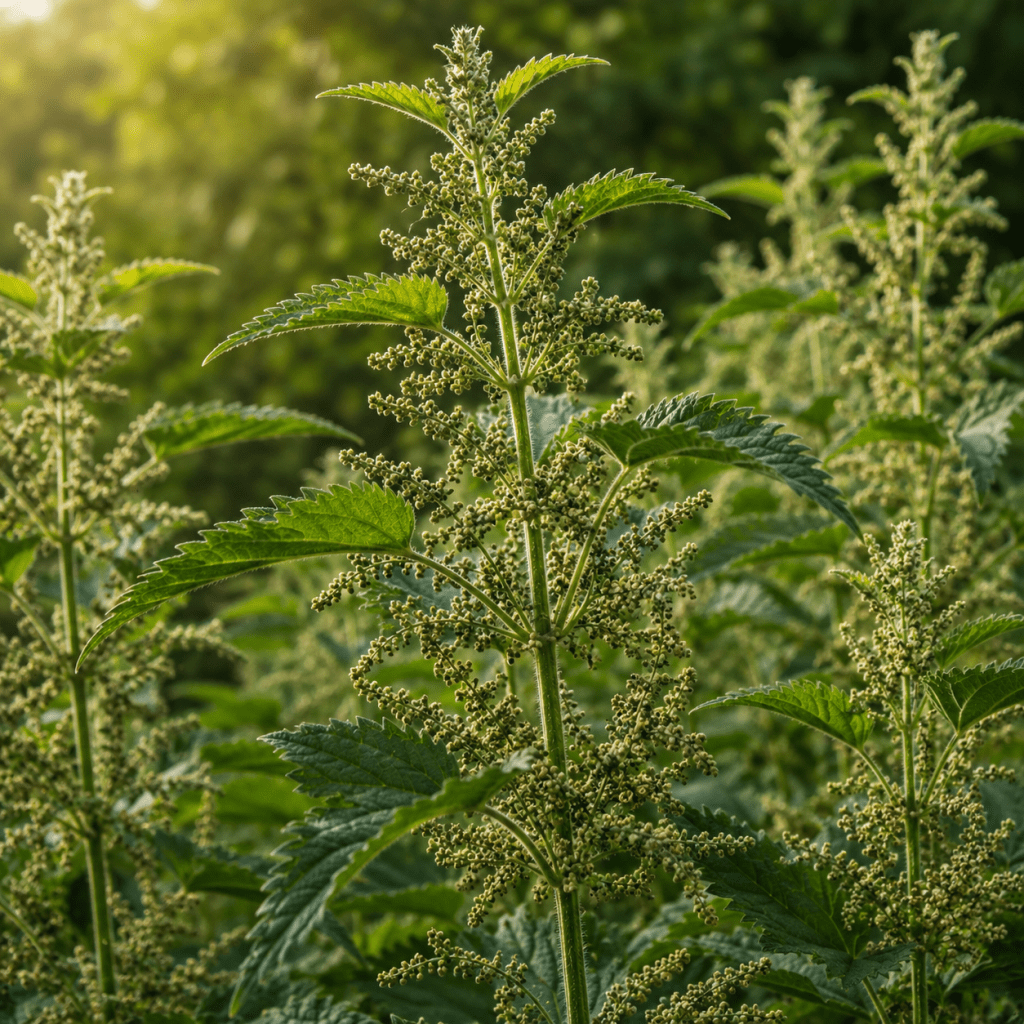
Choosing the Right Option for Your Life, Capacity, and Season
One of the questions I hear most often is:
“Should I forage my own nettle, or should I buy it?”
My answer is almost always the same.
Whichever helps you actually use it.
Stinging nettle can become a nourishing part of your kitchen whether it’s gathered from a spring hillside or purchased from a trusted farm.
Neither choice is more virtuous.
Neither makes you more connected to nature.
Neither earns extra points.
The best choice is the one that fits your real life—safely, sustainably, and without turning nourishment into another burden.
That perspective has become increasingly important to me.
Because wellness isn’t built by doing everything yourself.
It’s built by making wise decisions that you can actually continue.
Affiliate Disclosure: This post may contain affiliate links. If you purchase through them, I may earn a small commission at no extra cost to you. Thank you for supporting my work!
Shared for education and gentle exploration. I am not an herbalist.
Always research, listen to your body, and consult appropriate professionals.
Affiliate Disclosure — Content Notice — Legal Disclosures — Newsletter — Home — Bottom of Post — top
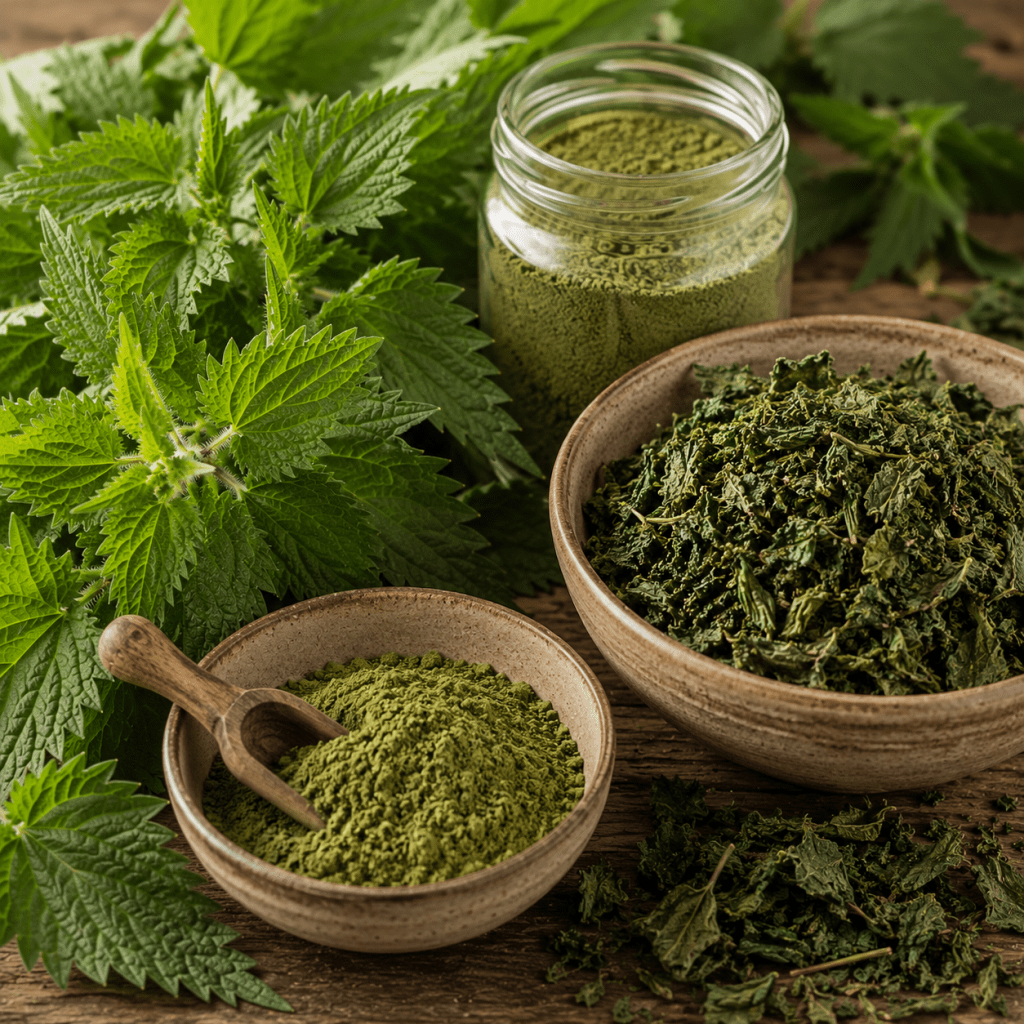
Foraged Nettle
Seasonal, Local, and Hands-On
Foraging nettle connects you to land, season, and rhythm in a way that’s difficult to replicate any other way.
You begin noticing when the first shoots emerge each spring.
You remember where healthy patches grow.
You watch the weather.
You pay attention to the landscape.
Gathering becomes part of preparing the meal.
There is something deeply satisfying about harvesting food with your own hands.
Benefits of Foraged Nettle
Fresh for seasonal cooking
Ideal for blanching, freezing, and preserving
Free and abundant in many regions
Encourages seasonal eating
Builds familiarity with local plants and landscapes
What to Consider Before Foraging
Only harvest nettle when you can confidently confirm:
The growing area is clean and free from contamination
The plant has been positively identified
You have permission to harvest there
You can harvest ethically and sustainably
You have the physical capacity to gather and prepare it safely
Foraging should never become another source of pressure.
If gathering nettle leaves you exhausted, overwhelmed, or uncertain, it may not be the right choice for this season.
And that’s perfectly okay.
Shared for education and gentle exploration. I am not an herbalist.
Always research, listen to your body, and consult appropriate professionals.
Affiliate Disclosure — Content Notice — Legal Disclosures — Newsletter — Home — Bottom of Post — top
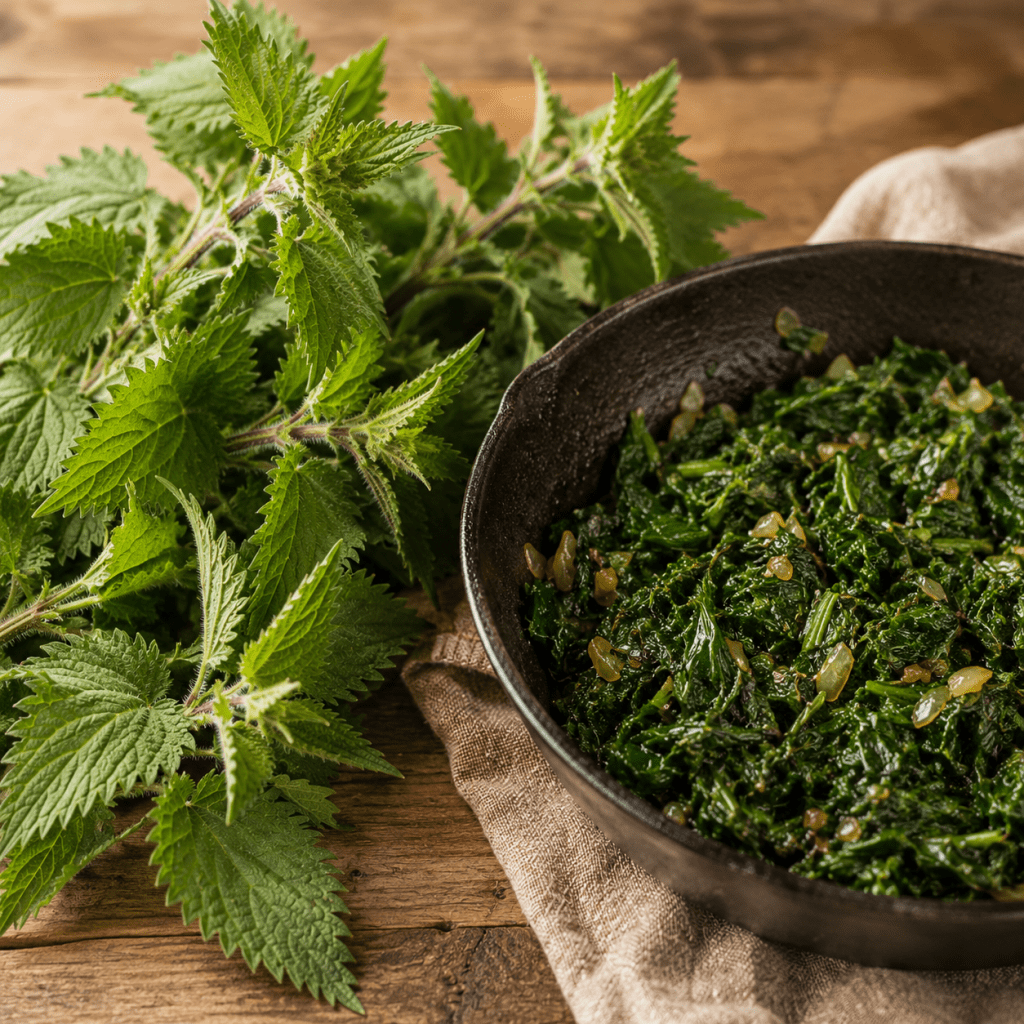
Best Uses for Fresh Foraged Nettle
Fresh nettle shines in recipes where its vibrant flavor can take center stage.
Try it in:
Sautéed greens
Soups and stews
Pesto
Egg dishes
Pasta fillings
Fresh spring meals
Blanched and frozen for later use
Foraging works best when you have:
Time
Energy
Physical safety
Environmental confidence
If one or more of those are missing, choosing farmed nettle isn’t settling.
It’s wise stewardship.
Shared for education and gentle exploration. I am not an herbalist.
Always research, listen to your body, and consult appropriate professionals.
Affiliate Disclosure — Content Notice — Legal Disclosures — Newsletter — Home — Bottom of Post — top
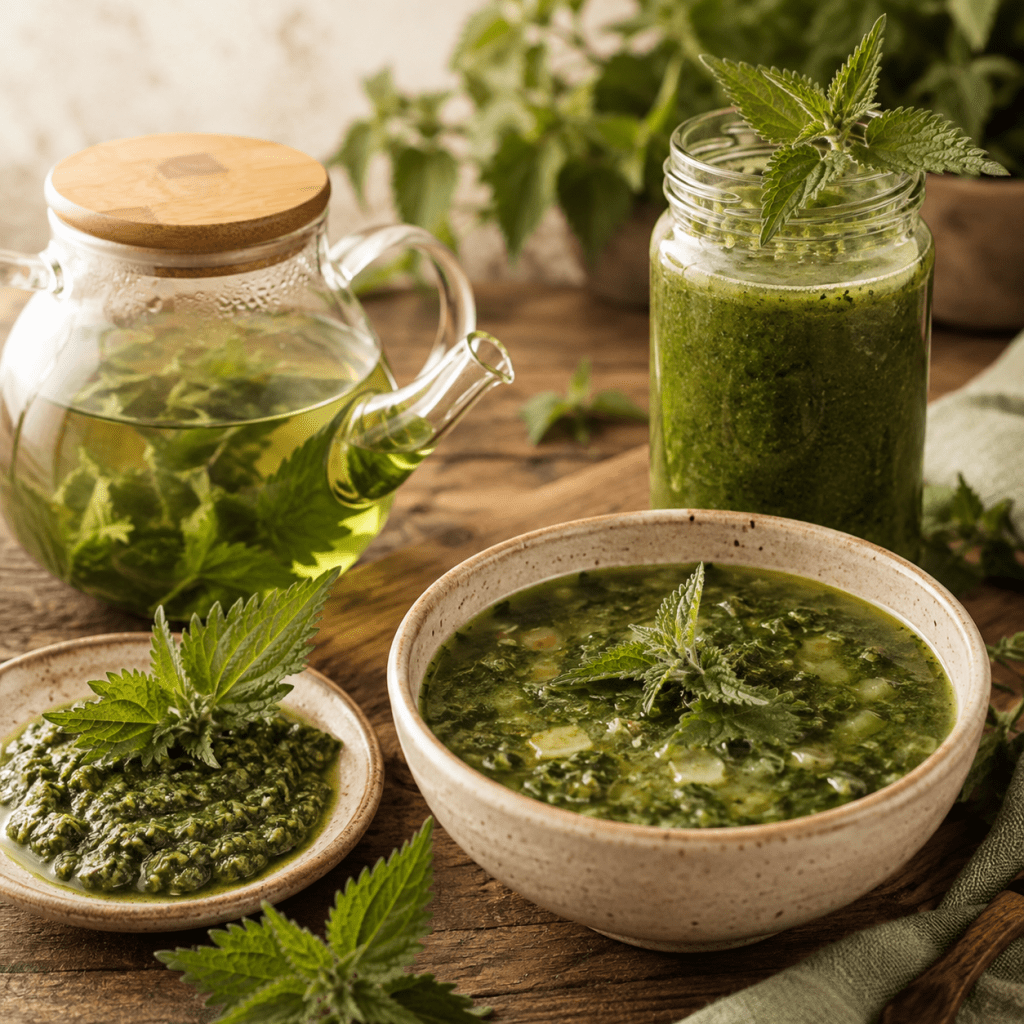
Farmed Nettle
Consistent, Accessible, and Low Barrier
Not everyone has access to healthy nettle patches.
Not everyone can spend an afternoon harvesting.
Not everyone wants to.
Farmed nettle makes this nourishing food accessible throughout the year without the logistical work of foraging.
That’s a gift.
Benefits of Farmed Nettle
Available year-round
Convenient to keep in the pantry
Easy to incorporate into daily meals
You have permission to harvest there
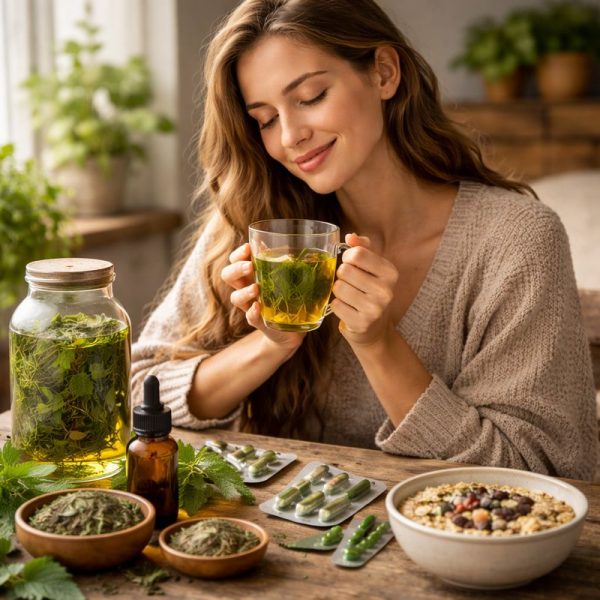
Readily available in dried, powdered, and tea forms
Quality farmed nettle is often:
Carefully harvested
Thoughtfully dried for culinary use
Sourced from growers with transparent practices
Shared for education and gentle exploration. I am not an herbalist.
Always research, listen to your body, and consult appropriate professionals.
Affiliate Disclosure — Content Notice — Legal Disclosures — Newsletter — Home — Bottom of Post — top
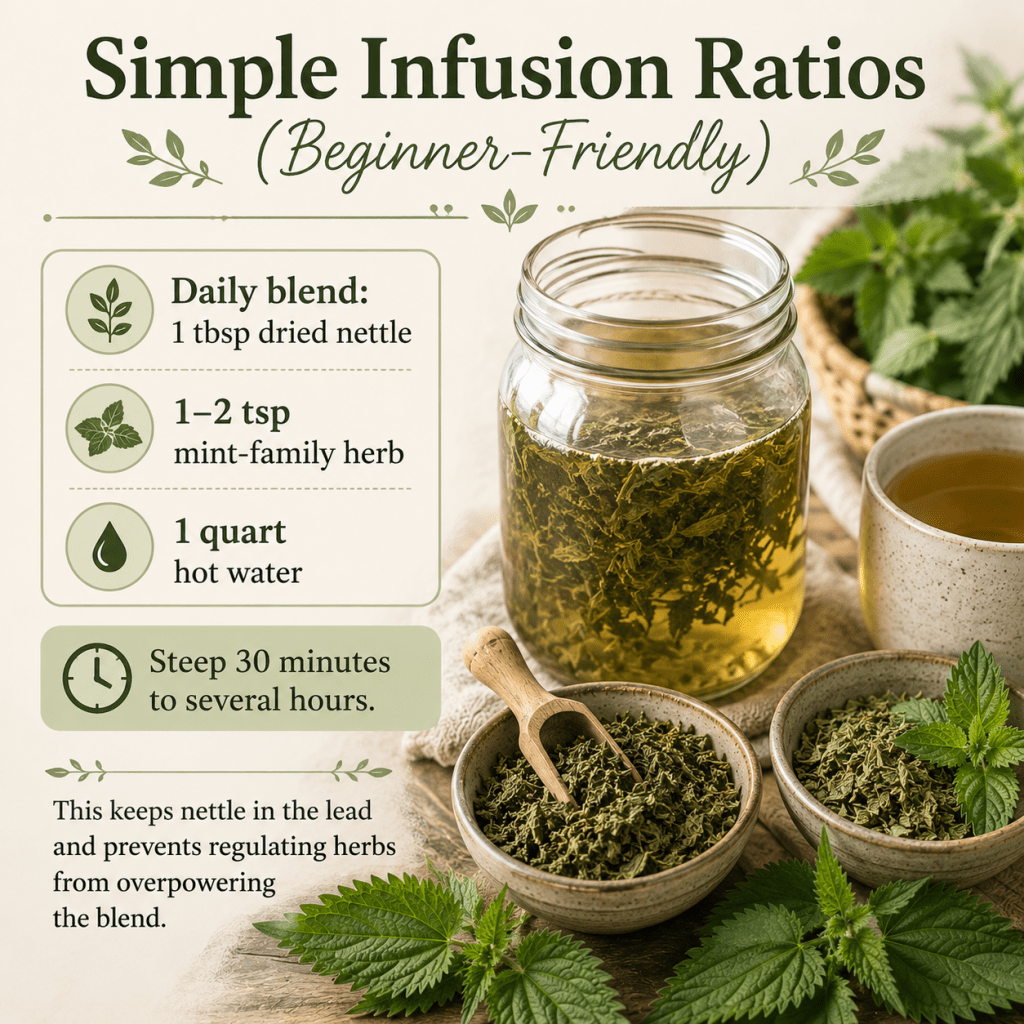
Best Uses for Farmed Nettle
Farmed nettle fits beautifully into everyday routines.
Consider using it in:
Nourishing infusions
Herbal teas
Smoothies
Soups
Homemade seasoning blends
Greens powders
Capsules, if that fits your preferences
Farmed nettle often serves people especially well during:
Busy caregiving seasons
Postpartum recovery
Winter months
Demanding work schedules
Seasons when consistency matters more than novelty
Sometimes opening a jar from the pantry is the choice that best supports your family.
That doesn’t make it less intentional.
Shared for education and gentle exploration. I am not an herbalist.
Always research, listen to your body, and consult appropriate professionals.
Affiliate Disclosure — Content Notice — Legal Disclosures — Newsletter — Home — Bottom of Post — top

A Sustainable Middle Path
For many families, the most sustainable answer isn’t choosing one over the other.
It’s choosing both.
Forage when it’s joyful.
Cook fresh meals.
Freeze a little for later.
Enjoy the abundance of spring.
Then, when life becomes busy again, reach for your dried nettle, your tea jar, or your favorite greens powder without guilt.
That rhythm honors both tradition and capacity.
It’s also much more likely to become a lasting habit.
Choosing Without Pressure
You don’t have to forage to be “natural.“
You don’t have to grow everything yourself to be intentional.
You don’t have to prove your commitment through extra effort.
One of the recurring themes throughout this Apothecary Series is that stewardship isn’t measured by how difficult something is.
Sometimes stewardship looks like harvesting spring nettles with gloves and a basket.
Sometimes stewardship looks like opening a well-labeled jar from the pantry.
Both can be faithful choices.
Shared for education and gentle exploration. I am not an herbalist.
Always research, listen to your body, and consult appropriate professionals.
Affiliate Disclosure — Content Notice — Legal Disclosures — Newsletter — Home — Bottom of Post — top
Nicole’s Note
One of the things I’ve learned over the years is how easy it is to romanticize doing everything ourselves.
I love foraging.
I love gardening.
I love preserving food for our family.
But I’ve also lived through seasons of pregnancy, postpartum recovery, chronic fatigue, legal battles, caregiving, and raising eight children.
There have been plenty of times when buying dried nettle from a trusted source was the decision that best supported our home.
That didn’t make me less connected to the plant.
It made me more honest about my capacity.
I’ve found that honesty is usually where sustainable habits begin.
Shared for education and gentle exploration. I am not an herbalist.
Always research, listen to your body, and consult appropriate professionals.
Affiliate Disclosure — Content Notice — Legal Disclosures — Newsletter — Home — Bottom of Post — top
Foraging Safety Checklist
A Grounded, Responsible Approach to Wild Herbs
Foraging can be deeply rewarding—but only when safety, clarity, and restraint come first.
Use this checklist as a pause point rather than a hurdle.
Before You Harvest
✓ Confirm Positive Identification
You can confidently identify the plant using multiple characteristics.
You’ve verified it with at least two reliable resources.
You understand common look-alikes.
If you’re uncertain, don’t harvest.
✓ Assess the Environment
Avoid harvesting near:
Roadsides
Industrial areas
Sprayed landscapes
Agricultural runoff
Livestock or pet waste
Clean land matters just as much as correct identification.
✓ Harvest Ethically
Take only what you’ll use.
Leave healthy plants to regenerate.
Respect wildlife and other foragers.
Follow local regulations.
Foraging is relationship, not extraction.
✓ Know the Right Plant Part
Different parts of a plant may be gathered during different seasons.
Leaves
Seeds
Roots
Flowers
Each has its own time.
More plant does not automatically mean more nourishment.
During Harvest
✓ Protect Yourself
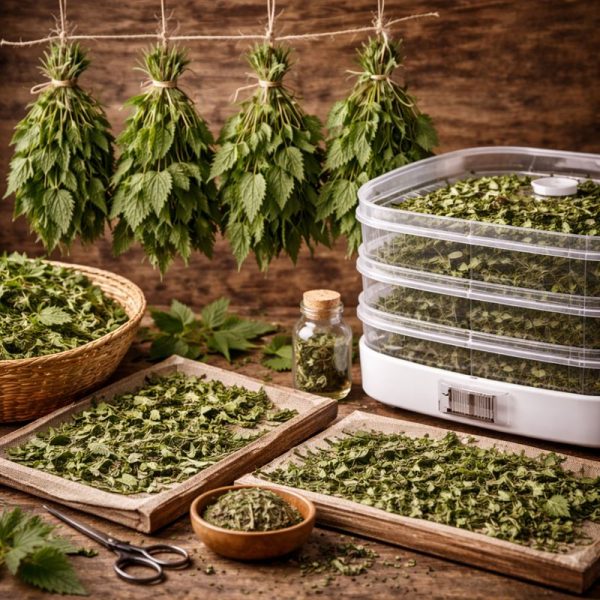
Wear gloves when appropriate.
Use clean cutting tools.
Gather into breathable baskets or cloth bags.
✓ Harvest Gently
Choose healthy plants.
Avoid unnecessary damage.
Leave plenty behind.
After Harvest
✓ Clean Carefully
Rinse thoroughly.
Remove insects and debris.
Discard anything questionable.
✓ Prepare Correctly
Some foods benefit from cooking, drying, or other traditional preparation methods.
Take time to learn before experimenting.
✓ Start Small
Whenever you’re trying a food that’s new to you:
Introduce it gradually.
Notice how you enjoy it.
Let curiosity lead instead of urgency.
Shared for education and gentle exploration. I am not an herbalist.
Always research, listen to your body, and consult appropriate professionals.
Affiliate Disclosure — Content Notice — Legal Disclosures — Newsletter — Home — Bottom of Post — top
Gentle-Use Disclaimer
(For educational, food-forward herbal content)
The information shared here is intended for educational purposes and reflects historical, culinary, and traditional perspectives on herbs as food.
It is not medical advice.
Both foraged and farmed herbs deserve thoughtful, informed use.
Foraged foods require careful identification, clean growing conditions, and responsible harvesting practices.
Farmed herbs should likewise be sourced from reputable growers and enjoyed as part of a varied, nourishing diet.
No single herb replaces good food, adequate rest, movement, or appropriate medical care.
Always make choices that fit your own health needs, consult your healthcare team when appropriate, and remember that sustainable nourishment is almost always built through ordinary habits—not extraordinary ones.
see More in The Treehouse Standard
Shared for education and gentle exploration. I am not an herbalist.
Always research, listen to your body, and consult appropriate professionals.
Affiliate Disclosure — Content Notice — Legal Disclosures — Newsletter — Home — Bottom of Post — top
The Bigger Picture
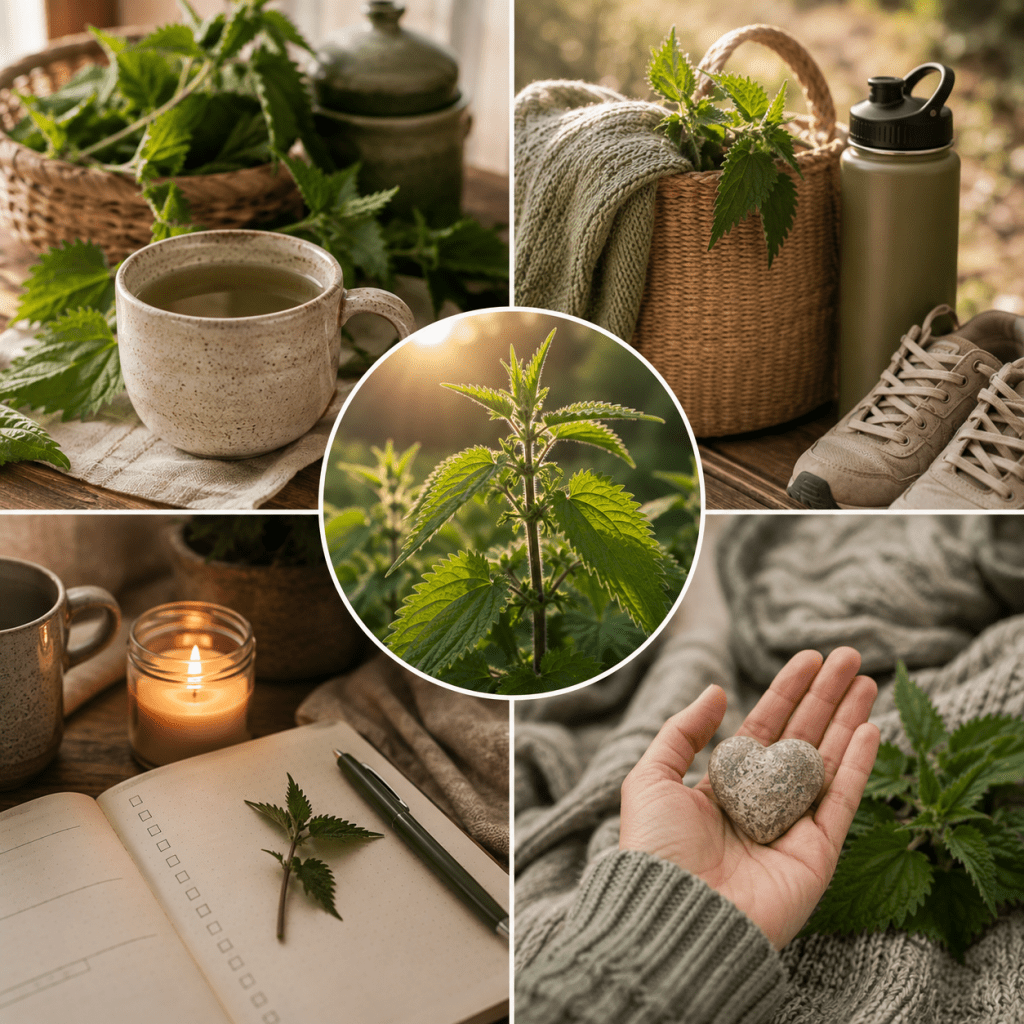
Whether you forage every spring or never put on a pair of gloves, I hope this series leaves you with something deeper than recipes.
I hope it helps you see food differently.
Not as another place to prove yourself.
Not as another standard to achieve.
But as an invitation to participate in the seasons you’re living.
Sometimes that means gathering.
Sometimes that means purchasing.
Sometimes that means resting.
The goal has never been to do the hardest thing.
The goal is to build a life where nourishment is both sustainable and joyful.
Because the healthiest kitchen isn’t the one that does everything from scratch.
It’s the one that faithfully feeds the people gathered around the table.
Read More…
Stinging Nettle Seeds as Food
Stinging Nettle As Food
NETTLE • FOOD & FOUNDATION
The “Build, Regulate and Shield” Herbal Framework
Kitchen Apothecary Series
Shared for education and gentle exploration. I am not an herbalist.
Always research, listen to your body, and consult appropriate professionals.
Affiliate Disclosure — Content Notice — Legal Disclosures — Newsletter — Home — top


Nicole Burch is a Trim Healthy Lifestyle Coach, author, and holistic family life mentor helping women and families rebuild through rooted rhythms, personal governance, and sustainable living. Blending nourishment, discernment, and restoration, she guides others toward resilience, peace, and healing—creating lives that are grounded, aligned, and nurtured at home.
Wellness That Withstands.
Rooted. Resilient. Restored.
trim healthy coach disclosure
Nicole Burch is a Certified Trim Healthy Mama Lifestyle Coach, independently offering services based on the THM plan. This coach is not an employee or agent of Trim Healthy Mama, LLC. Coaching services are independently managed, and THM is not responsible for results, business practices, or claims made by this coach.
Content Notice — Legal Disclosures — Newsletter — Home — top
Affiliate Disclosures
As an Amazon Associate, I may link to specific products that I believe in and trust. This is an affiliate link, and I may receive a small commission at no additional cost to you.
As a Trim Healthy Affiliate I may link to specific products that I believe in and trust from Trim Healthy Mama, LLC. If you make any purchases through my link I may receive a small commission at no additional cost to you.
As a Queen of Thrones Affiliate I may link to specific products that I believe in. If you make any purchases through my link I may receive a small commission at no additional cost to you.
River Hills Harvest and Azure Standard referral links may be linked to specific products or images on this blog. If you make any purchases through my link I may receive a small commission at no additional cost to you.






Leave a Reply