AFFILIATE DISCLOSURE — CONTENT NOTICE — LEGAL STUFF — NEWSLETTER — BOTTOM — COACH DISCLOSURE
Affiliate Disclosure: This post may contain affiliate links. If you purchase through them, I may earn a small commission at no extra cost to you. Thank you for supporting my work!

Build • Regulate • Protect • Shield
There are a lot of herbs in the world.
A lot.
And if you’ve ever wandered into the herbal corner of the internet, you’ve probably encountered lists of herbs you “need”, enormous apothecary tours, complicated protocols, unfamiliar terminology, and enough beautiful jars to convince you that apparently wellness requires its own room.
I don’t think it does…
I believe you can start with one jar.
One herb.
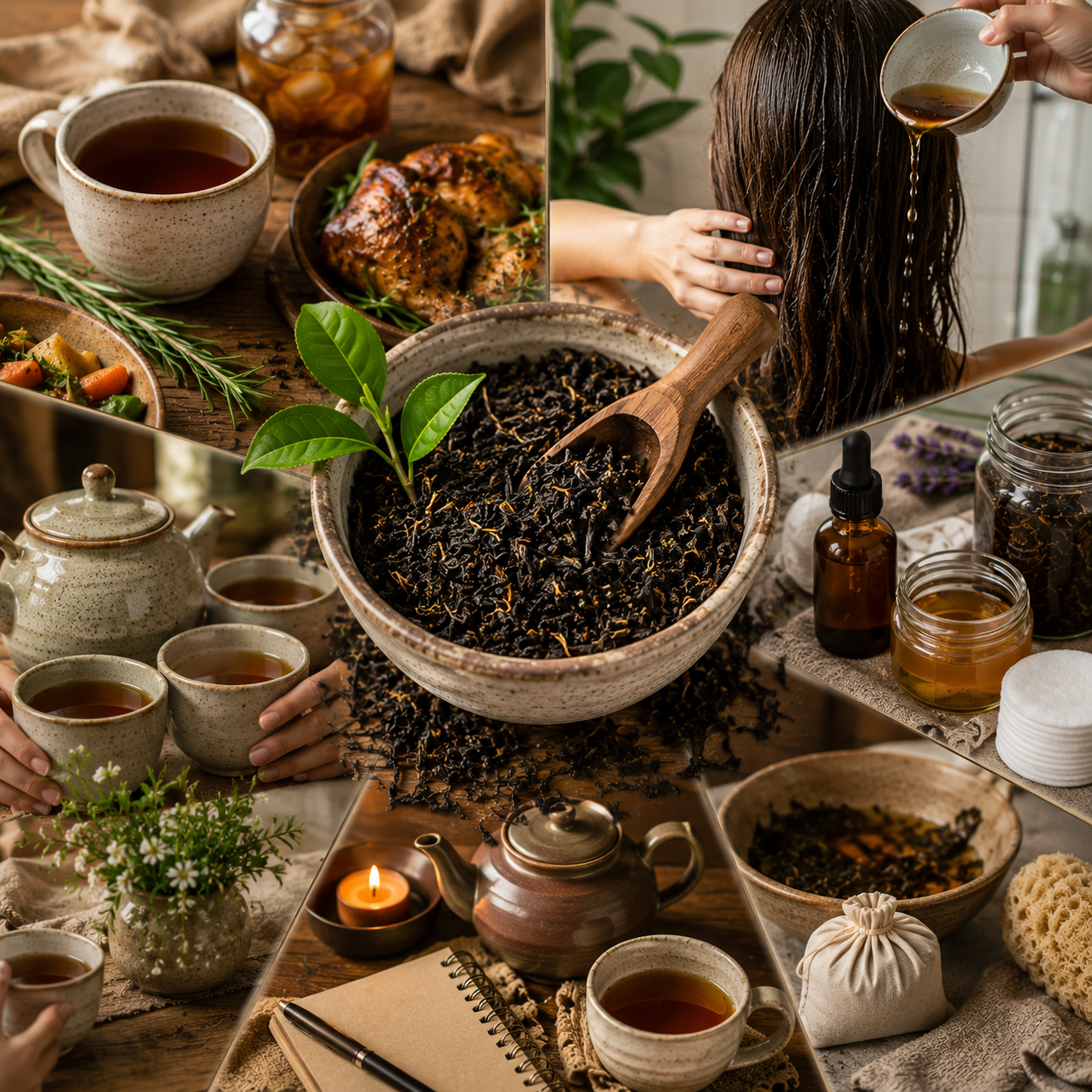
Even black tea.
If it’s something you understand, something you use, and something that serves your actual life, that can be the beginning of an apothecary.
The goal isn’t to own more herbs.
The goal is to understand the ones you have.
That’s why I created a simple framework for the way I learn about and organize herbs in my own Kitchen Apothecary: Build. Regulate. Protect. Shield.
These aren’t medical classifications
They aren’t prescriptions.
They aren’t promises about what an herb will do in your body.
And an herb doesn’t necessarily belong neatly in only one category.
They’re simply lenses I use to understand what an herb may bring to the table—and to help me remember why I might want it within reach.
AFFILIATE DISCLOSURE — CONTENT NOTICE — LEGAL STUFF — NEWSLETTER — BOTTOM — COACH DISCLOSURE—TOP
BUILD
Nourish • Replenish • Restore
Build helps me think about nourishment.
These are the herbs I tend to associate with supplying, replenishing, restoring, and supporting the body’s foundational resources.
Rather than asking:
What can this herb fix?
Build encourages me to ask:
What does this herb bring?
Sometimes that’s minerals.
Sometimes it’s nutritive plant compounds.
Sometimes it’s simply an easy way to add another layer of nourishment to something I’m already doing.
These tend to be herbs that make sense to me as part of the long game.
Tea
Infusions
Food
Broths
Everyday nourishment.
Not because every body needs every herb, but because wellness isn’t only about responding when something goes wrong.
Sometimes care looks like building before we need to repair.
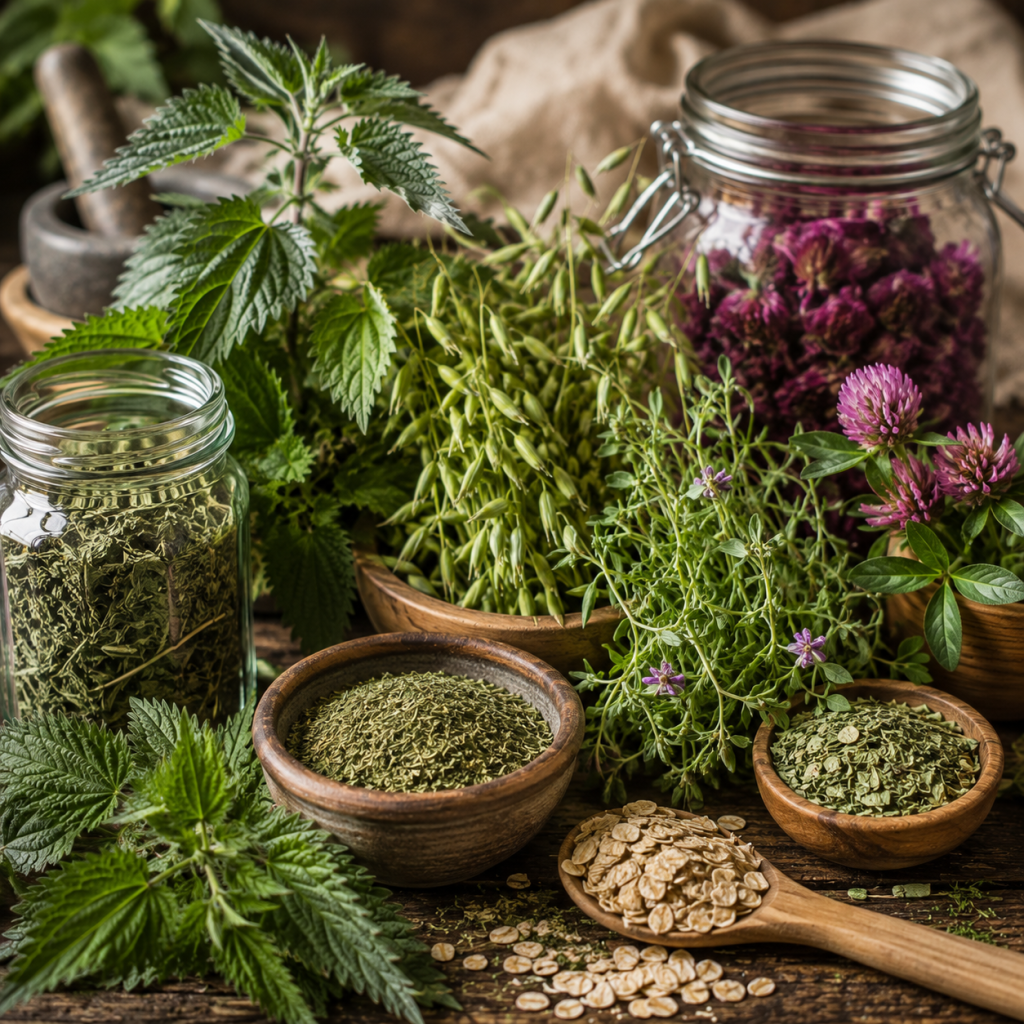
Herbs you’ll find here may include:
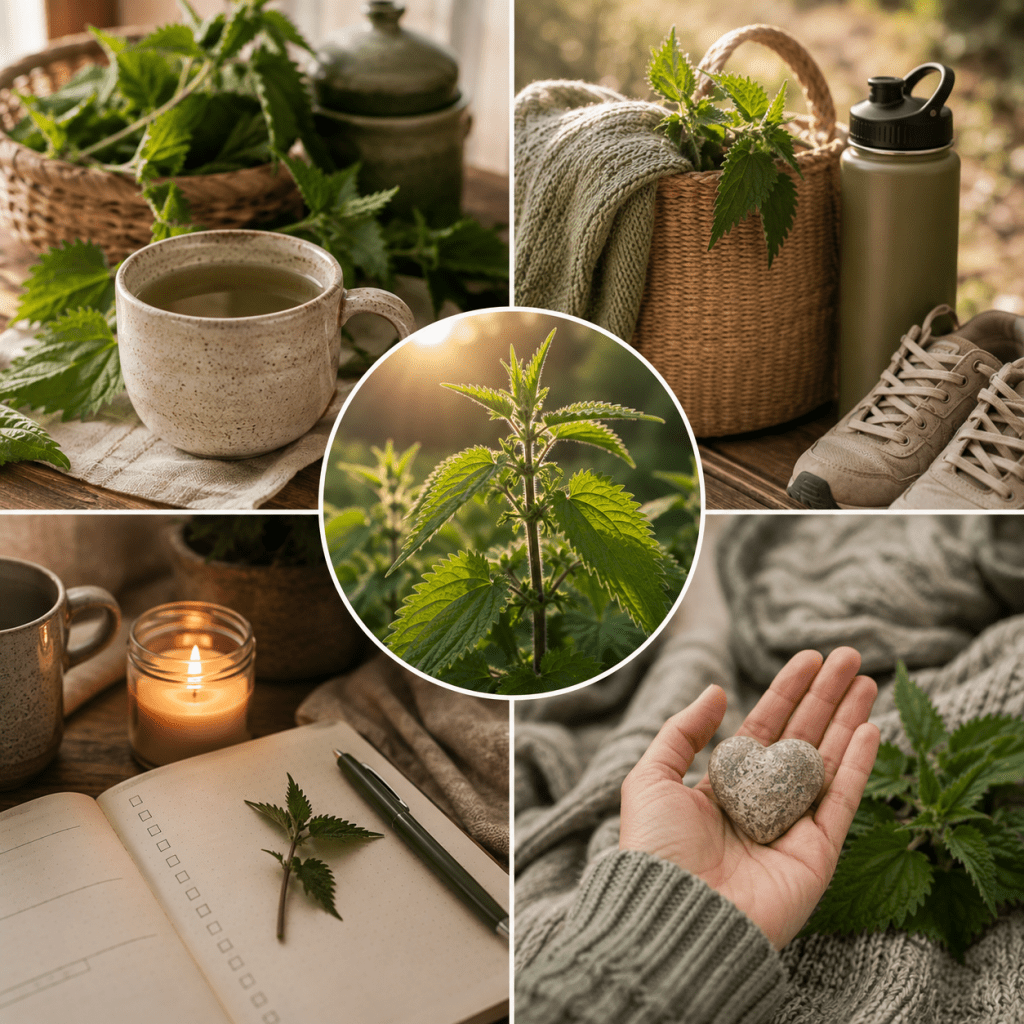
Nettle • Oat Straw • Alfalfa • Red Clover
[Explore BUILD Herbs →]
AFFILIATE DISCLOSURE — CONTENT NOTICE — LEGAL STUFF — NEWSLETTER — BOTTOM — COACH DISCLOSURE—TOP
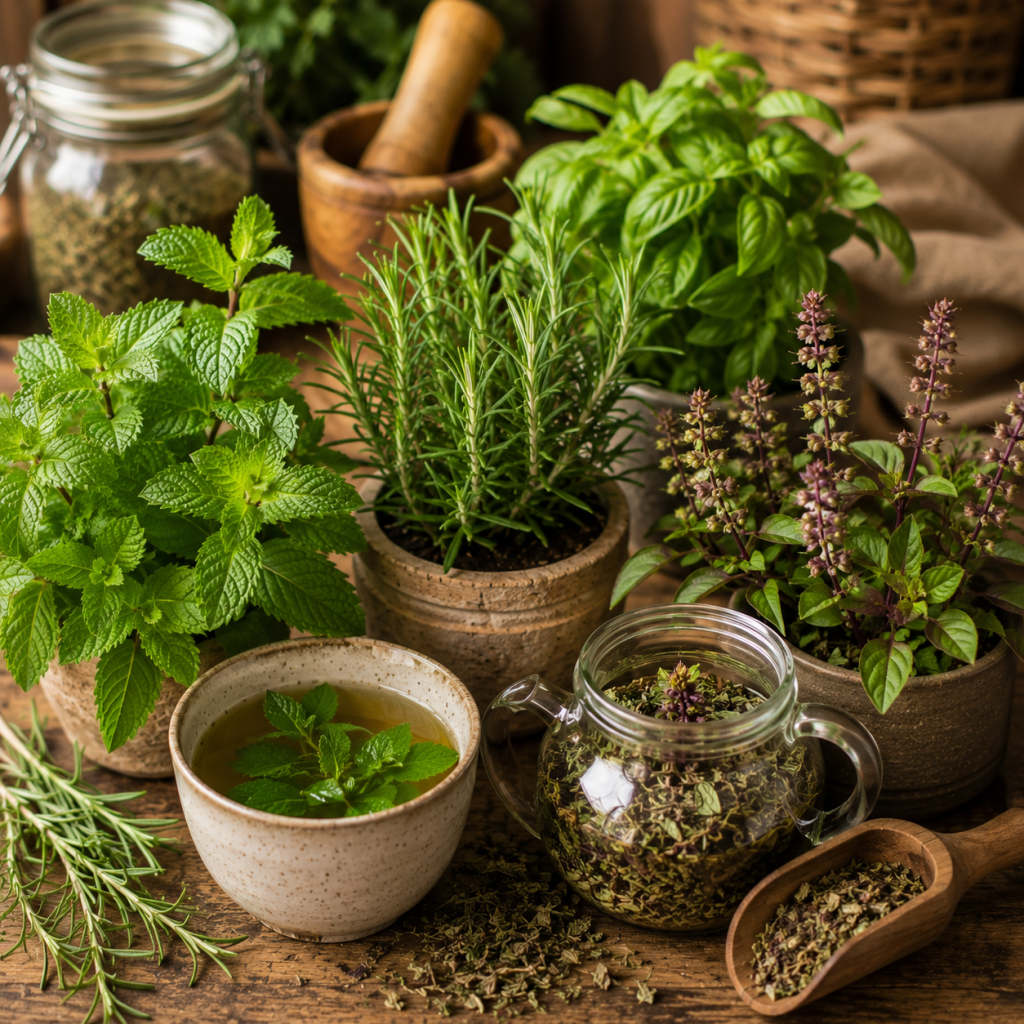
REGULATE
Settle • Balance • Support Rhythm
Not everything needs more.
Sometimes we’re paying attention to rhythm.
Regulate is the lens I use for herbs that help me think about settling, balance, digestion, nervous-system support, circulation, and other ordinary rhythms of the body and day.
These are often some of the most familiar herbs in a kitchen.
Plants that can be wonderfully ordinary.
They might become tea.
They might season dinner.
They may become part of a bath or body-care preparation.
They may simply smell good growing near the kitchen.
That’s part of what I love about herbs.
An herb doesn’t have to stop being food in order to become part of how we care for ourselves.
Regulate reminds me to ask:
What helps create a little more ease, rhythm, or balance here?
Herbs you’ll find here may include:
Mint Family • Tulsi • Rosemary
[Explore REGULATE Herbs →]
AFFILIATE DISCLOSURE — CONTENT NOTICE — LEGAL STUFF — NEWSLETTER — BOTTOM — COACH DISCLOSURE—TOP
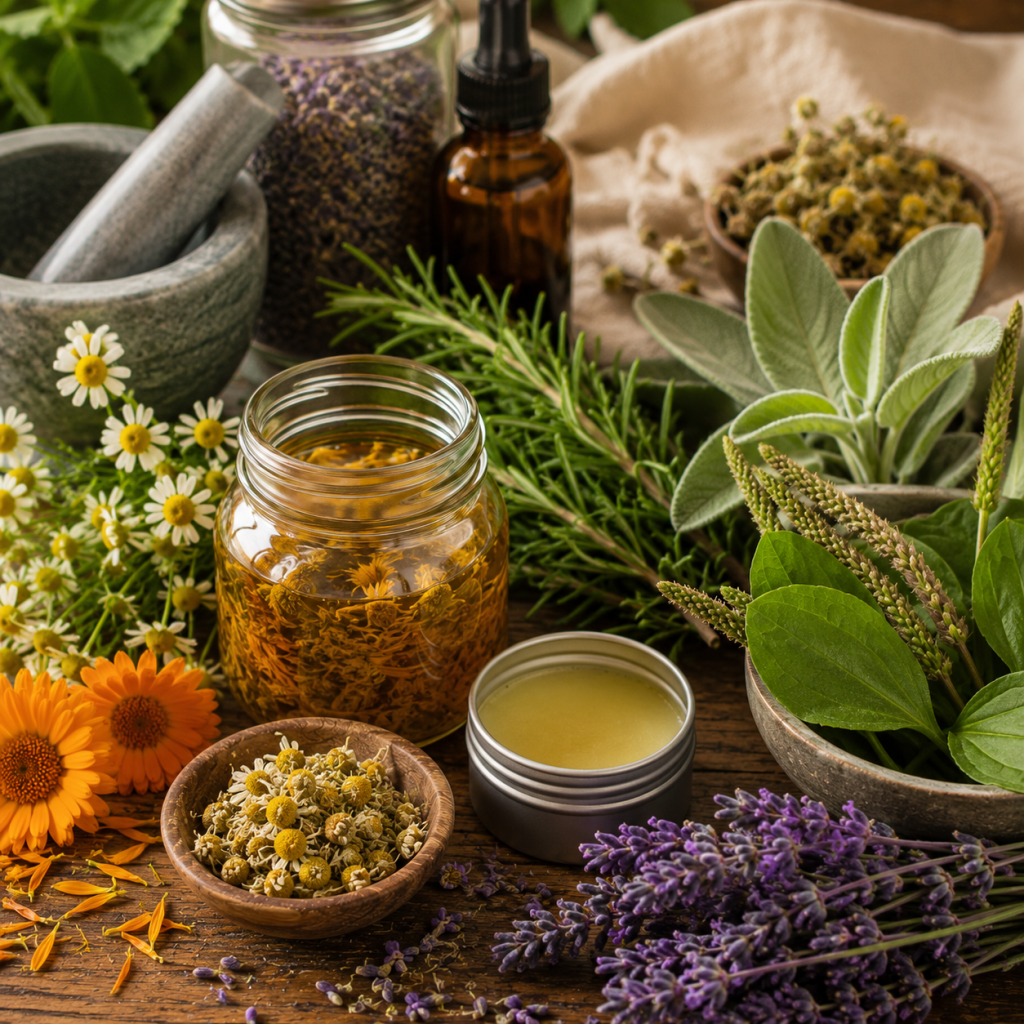
PROTECT
Preserve • Tend • Care For
Some care isn’t about building something new, supporting a rhythm, or responding when circumstances change.
Sometimes we’re simply caring well for what is already there.
Protect is the lens I use for herbs and preparations that help me think about tending, preserving, soothing, and caring for the body in ordinary, often external ways.
This is where my herbal apothecary moves especially naturally beyond the teapot and dinner plate.
An herb might become part of a hair rinse.
An infused oil.
A salve.
A soak.
A bath.
A compress.
A facial steam.
A skin or scalp preparation.
Or another form of everyday body care.
When I say Protect, I’m not claiming that an herb prevents disease, guarantees healing, or creates some invisible herbal force field around the body.
I’m using the word much more ordinarily.
We protect things we value by caring for them well.
We protect our skin when we treat it gently.
We protect our hair when we tend to it rather than continually damaging it.
We protect our capacity when we notice limits.
We protect useful household knowledge when we learn it, practice it, and pass it along.
In that sense, Protect asks:
What am I caring for, and how might this plant help me tend it well?
That might involve an herb’s traditional uses.
It might involve properties we’re able to understand through current research.
It might simply involve something soothing, cleansing, moisturizing, aromatic, or pleasant.
And sometimes its job is simply to make an ordinary act of care feel good.
That counts here, too.
Herbs you’ll find here may include:
Calendula • Chamomile • Rosemary • Lavender • Sage • Plantain
[Explore PROTECT Herbs →]
AFFILIATE DISCLOSURE — CONTENT NOTICE — LEGAL STUFF — NEWSLETTER — BOTTOM — COACH DISCLOSURE—TOP
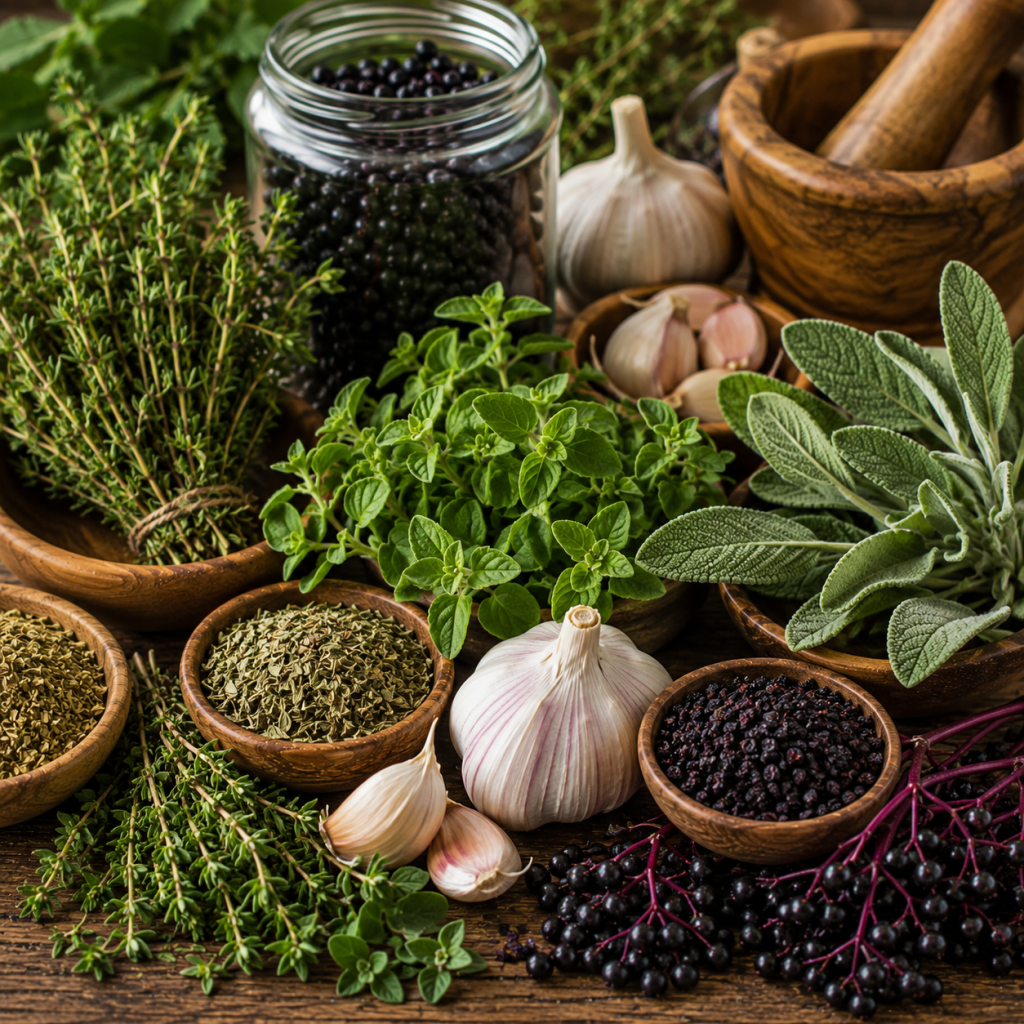
SHIELD
Prepare • Support • Respond
Then there are the herbs I tend to think about when ordinary life becomes a little less ordinary.
Seasonal changes.
A tickle in your throat.
Winter Applications: inside and out
The kid who announces at bedtime that they haven’t felt good since breakfast.
You know. Family life.
Shield is the lens I use when I’m learning about herbs traditionally associated with preparedness, seasonal applications, and how they may benefit the body in conjunction with the its ordinary protective processes.
It describes the question I’m asking:
What might be useful to understand, prepare, or keep available before I need to decide what support makes sense?
This is where many familiar culinary herbs show just how beautifully food and herbalism can overlap.
They’re already food.
They’re already flavor.
They’re already sitting in kitchens all over the world.
And they also have long histories of traditional use beyond seasoning dinner.
Shield reminds me that preparedness doesn’t have to mean owning an enormous collection of remedies.
Sometimes preparedness is simply knowing more about what I already have.
Herbs you’ll find here may include:
Thyme • Oregano • Sage • Elderberry • Garlic
[Explore SHIELD Herbs →]
Protect and Shield Aren’t the Same Thing
These two words can sound very similar, so the distinction matters.
For me:
Protect asks how I can tend what is already here.
Shield asks what I may want to understand or prepare for times when additional support is useful.
Protect might lead me toward a calendula-infused oil for body care.
Shield might lead me to learn more about the traditional uses of thyme before cold-and-flu season arrives.
Neither category is a medical claim.
They’re organizational tools.
One helps me think about ongoing tending.
The other helps me think about preparedness and response.
And sometimes the same herb will belong in both conversations.
AFFILIATE DISCLOSURE — CONTENT NOTICE — LEGAL STUFF — NEWSLETTER — BOTTOM — COACH DISCLOSURE—TOP
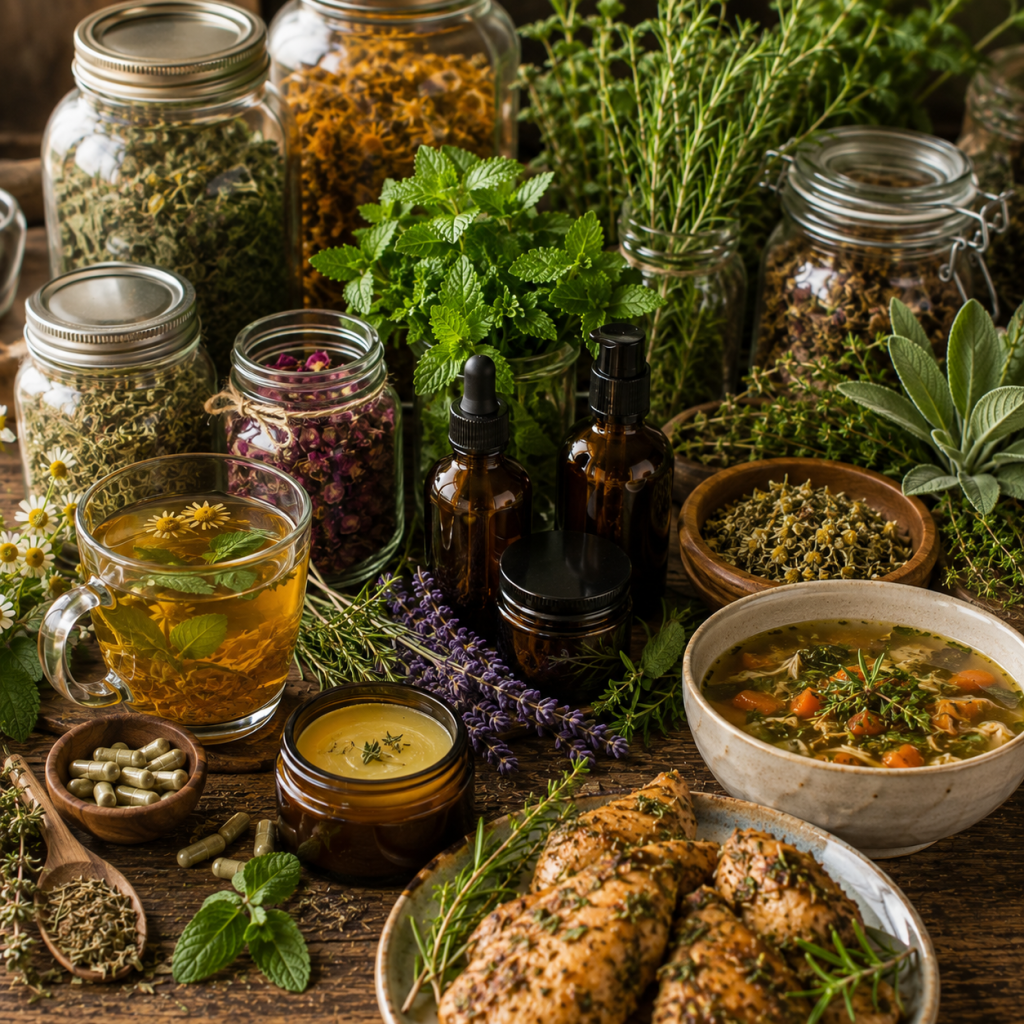
An Herb Can Do More Than One Job
This may be the most important part of the entire framework.
These categories overlap.
Plants don’t know I made a filing system.
Nettle doesn’t wake up in the morning and check whether I’ve assigned it to Build.
Rosemary isn’t going to refuse to participate because I’ve put it under Regulate and Protect.
Sage may season dinner, appear in body care, and end up in a Shield conversation.
That’s not a flaw in the framework.
That’s exactly why I need the framework.
Build, Regulate, Protect, and Shield help me understand an herb without reducing the herb to a single job.
The category gives me somewhere to begin.
Curiosity takes it from there.
Food Is Part of the Herbal Conversation
I don’t draw a hard line between my spice cupboard and my herbal cupboard.
In reality, they’re all cupboards in my kitchen.
Rosemary doesn’t become an entirely different plant when I put it on roasted vegetables instead of steeping it.
Garlic doesn’t stop being interesting because it’s dinner.
Cinnamon doesn’t need to be swallowed in a capsule before we’re allowed to acknowledge that plants contain interesting compounds.
And sometimes the most appropriate use for an herb is simply:
Make the food taste really good.
That’s why this framework lives inside my Kitchen Apothecary.
Food, herbal tea, spices, supplemental ingredients, traditional preparations, body care, and ordinary household use intersect here.
[Explore My Kitchen Apothecary →]
AFFILIATE DISCLOSURE — CONTENT NOTICE — LEGAL STUFF — NEWSLETTER — BOTTOM — COACH DISCLOSURE—TOP
Welcome to the Herbal Side of the Treehouse
This library will grow as I do.
Some herbs will have enormous profiles.
Some may be wonderfully simple and carry memories with their taste, ritual or aroma.
Some will live primarily in my teapot.
Some will spend most of their lives seasoning dinner.
Some will travel from the kitchen to the bathroom.
Some will fit comfortably beneath all four lenses.
Some may eventually leave my cupboard altogether because learning more also means changing my mind.
That’s part of the process.
I’m not interested in building the largest apothecary.
I’m interested in building a useful one.
Build what nourishes.
Regulate with attention to rhythm.
Protect through thoughtful tending.
Shield through knowledge and preparation.
And keep learning.
Browse These For More:
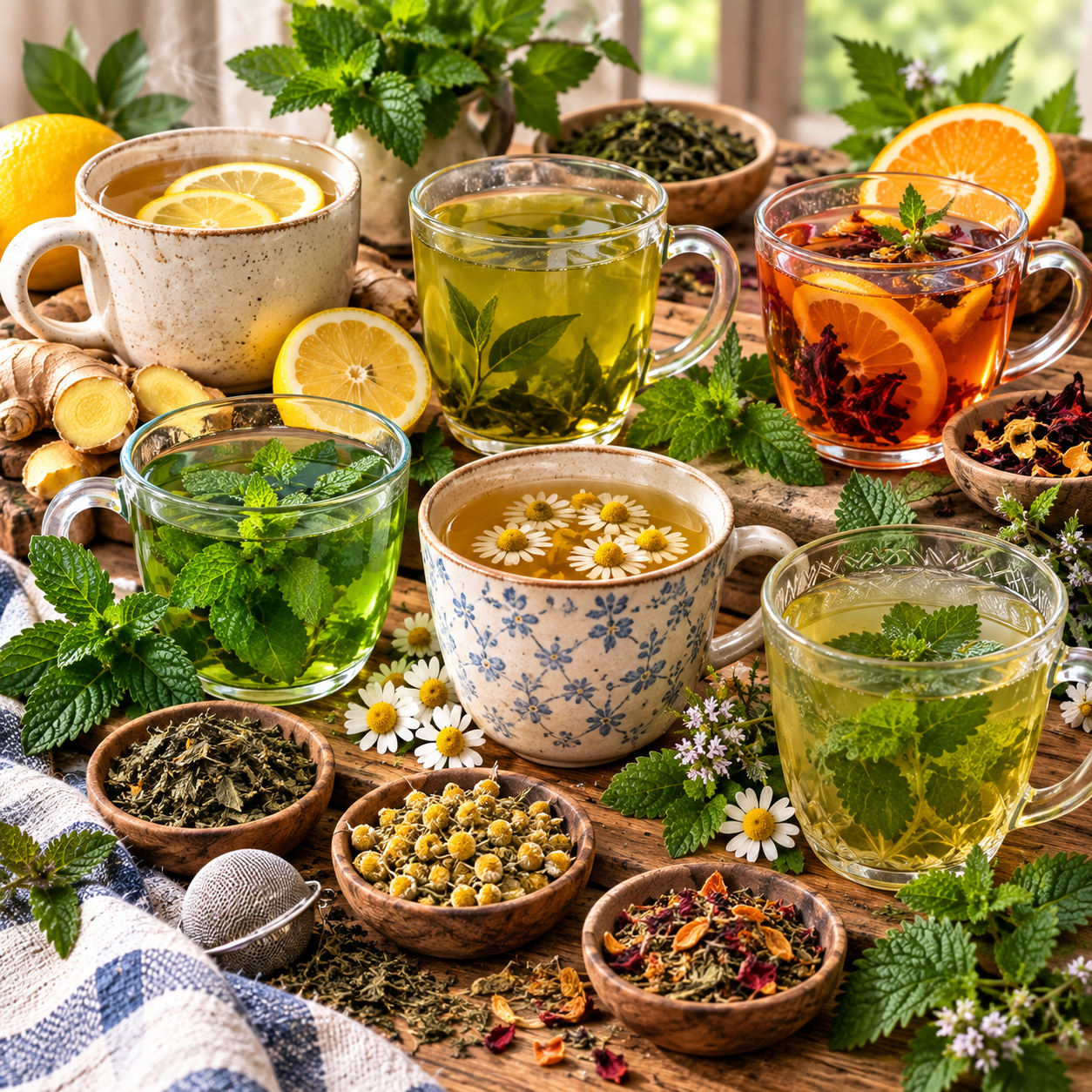
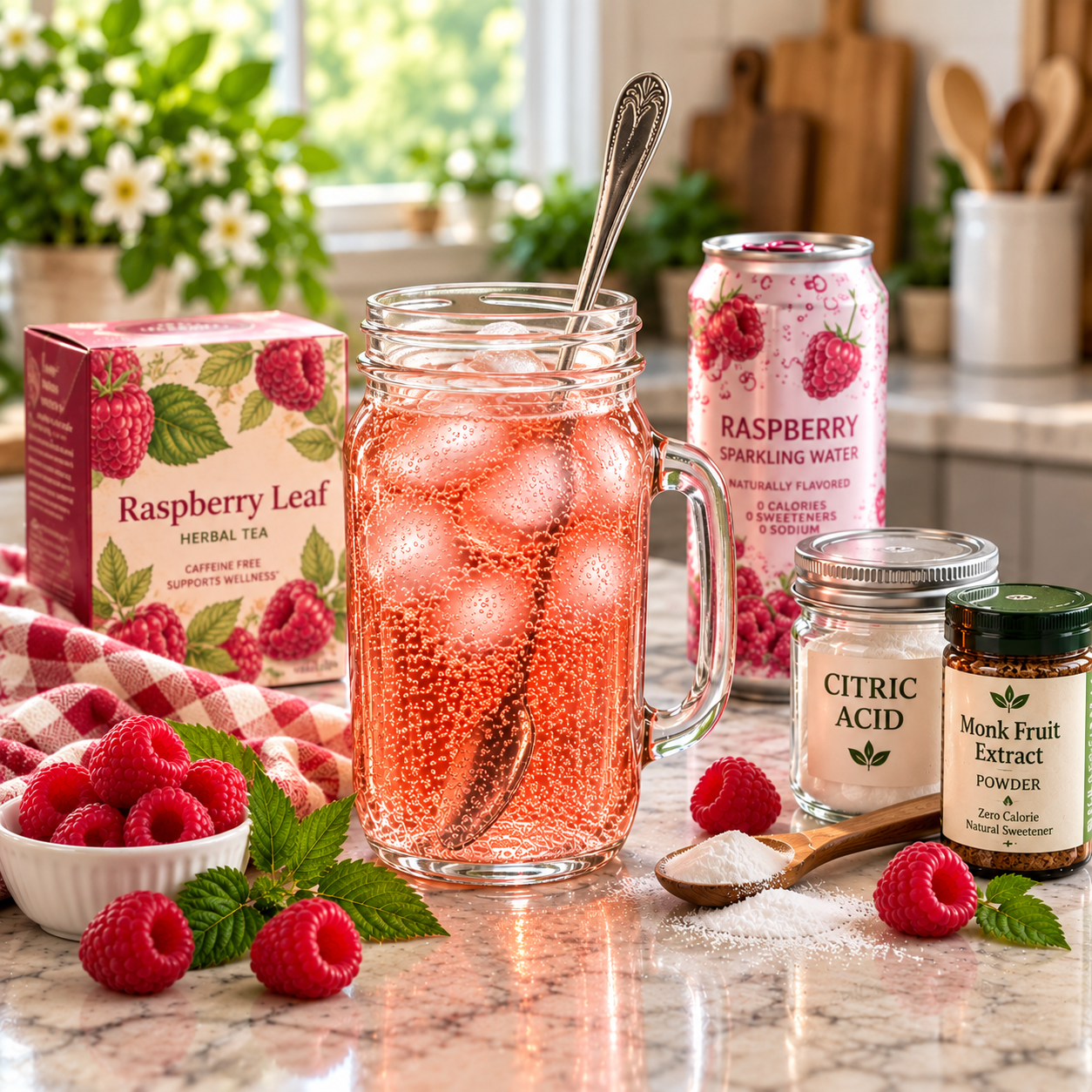
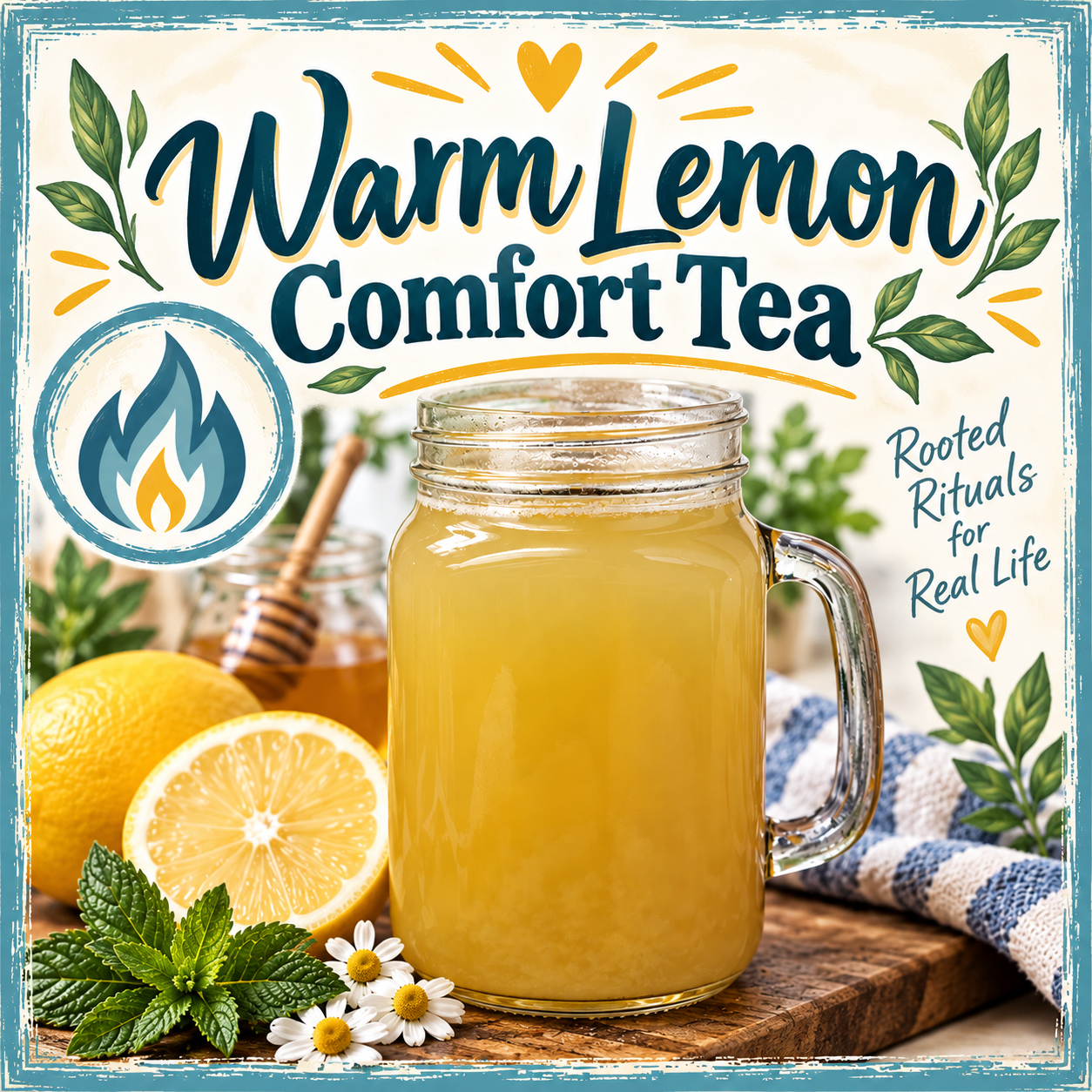
AFFILIATE DISCLOSURE — CONTENT NOTICE — LEGAL DISCLOSURES — NEWSLETTER — TOP — BOTTOM—COACH DISCLOSURE



Nicole Burch is a Trim Healthy Lifestyle Coach, author, and holistic family life mentor helping women and families rebuild through rooted rhythms, personal governance, and sustainable living. Blending nourishment, discernment, and restoration, she guides others toward resilience, peace, and healing—creating lives that are grounded, aligned, and nurtured at home.
Wellness That Withstands.
Rooted. Resilient. Restored.
Affiliate Disclosure
As an Amazon Associate, I may link to specific products that I believe in and trust. This is an affiliate link, and I may receive a small commission at no additional cost to you.
As a Trim Healthy Affiliate I may link to specific products that I believe in and trust from Trim Healthy Mama, LLC. If you make any purchases through my link I may receive a small commission at no additional cost to you.
As a Queen of Thrones Affiliate I may link to specific products that I believe in. If you make any purchases through my link I may receive a small commission at no additional cost to you.
River Hills Harvest and Azure Standard referral links may be linked to specific products or images on this blog. If you make any purchases through my link I may receive a small commission at no additional cost to you.


CONTENT NOTICE — LEGAL DISCLOSURES — NEWSLETTER — TOP
Trim Healthy Coach Disclosure
Nicole Burch is a Certified Trim Healthy Mama Lifestyle Coach, independently offering services based on the THM plan. This coach is not an employee or agent of Trim Healthy Mama, LLC. Coaching services are independently managed, and THM is not responsible for results, business practices, or claims made by this coach.