
Affiliate Disclosure — Content Notice — Legal Disclosures — Newsletter — Home — Bottom of Post
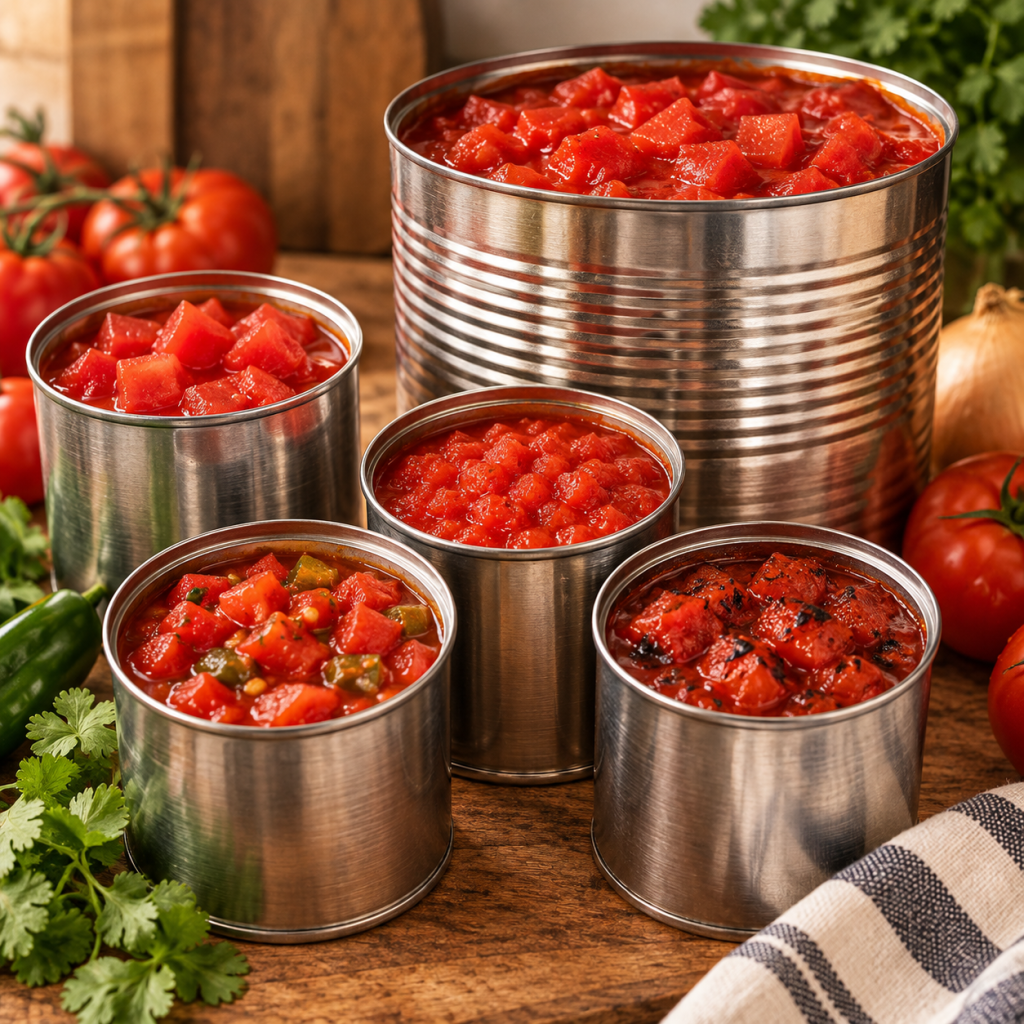
Good Food Doesn’t Lose Its Value Because a Can Opener Was Involved
There is a particular kind of food story we like to tell. It’s a little romantic, a little quirky, and a whole lot about taking food into our own hands in some way.
The tomatoes came from the garden.
The peppers were picked that morning.
The cilantro was still warm from the sun.
Everything traveled from garden to kitchen to table.
And listen. I love that story.
I plant gardens. I preserve food. My husband and my children harvest wild game, and I have grown and raised future protein sources on our property. There is real satisfaction in looking at something on the table and knowing where it came from.
But there’s another food story that happens around here too:
It’s January.
Tomatoes are expensive.
We need salsa.
There’s a can opener and a blender.
And, from the view of our modern society…it’s the new food frontier. What we’re able to produce, from commercial products, and make it feel similar to the home-grown kind.
You’ll occasionally find affiliate links throughout Life in the Treehouse. If something has become a trusted part of our home, I may share it here. Purchasing through those links costs you nothing extra, but helps support our family and the work I love creating.
Affiliate Disclosure — Content Notice — Legal Disclosures — Newsletter — Home — Bottom of Post—TOP
a “drive-thru-purist”…The Treehouse Middle
A lot of conversations about feeding people seem to leave us with two ends of a spectrum.
On one end, grow it, grind it, ferment it, bake it, preserve it.
On the other, buy it, open it, heat it, serve it.
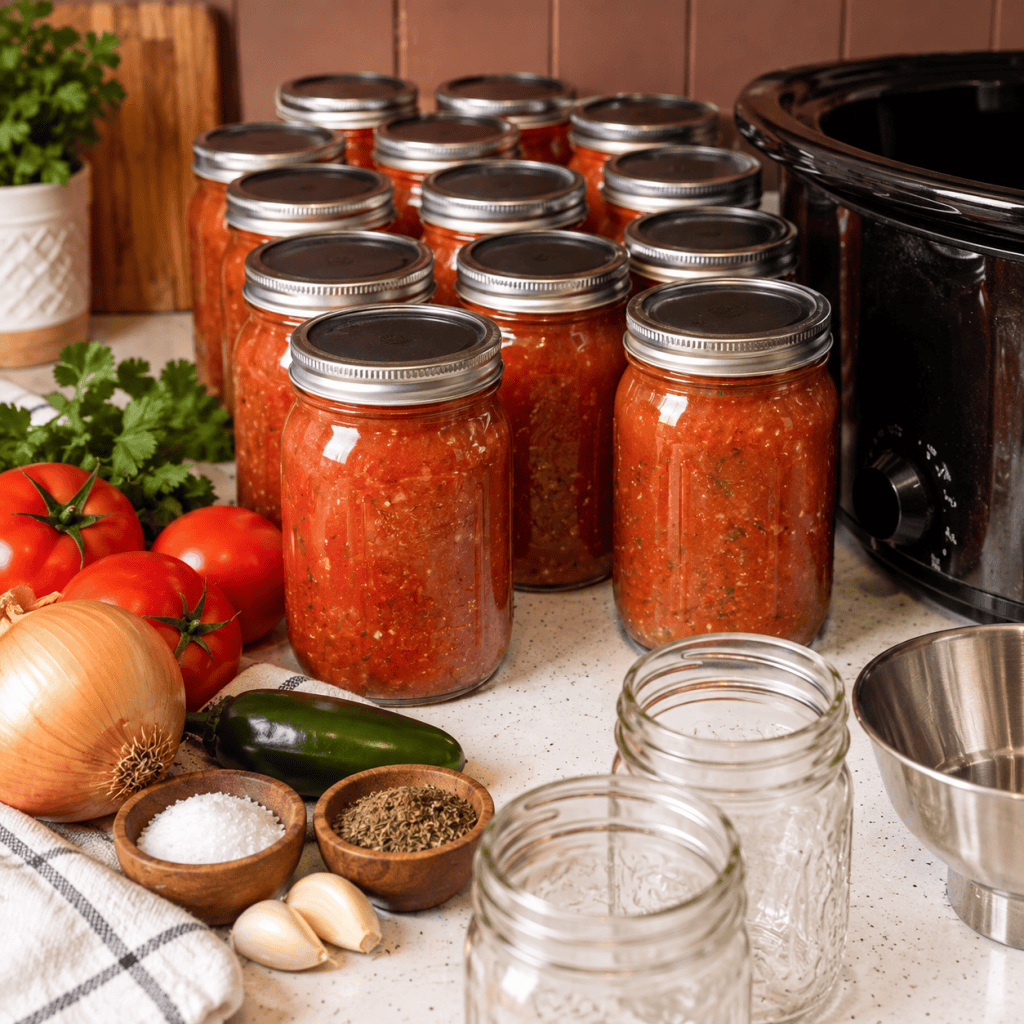
Most real kitchens move between the two. Mine certainly does because I have both a Pantry and a Cantry, and both are used in different seasons.
There are foods I make myself because doing so saves money, works better with our family’s food boundaries, tastes better to us, gives me more control over the ingredients, or is simply something I enjoy doing.
There are other times when someone else having already washed, chopped, cooked, frozen, or canned an ingredient is exactly what makes the next meal possible.
I think of that space as The Treehouse Middle. The intersection of convenient items and choosing more independent and local food sourcing.
It isn’t about deciding whether scratch-made or convenience food is better.
They’re tools.
Scratch is a tool. Convenience is a tool.
Stewardship is knowing which one serves this season.
Blended Salsa is a perfect example of this.
Affiliate Disclosure — Content Notice — Legal Disclosures — Newsletter — Home — Bottom of Post—TOP
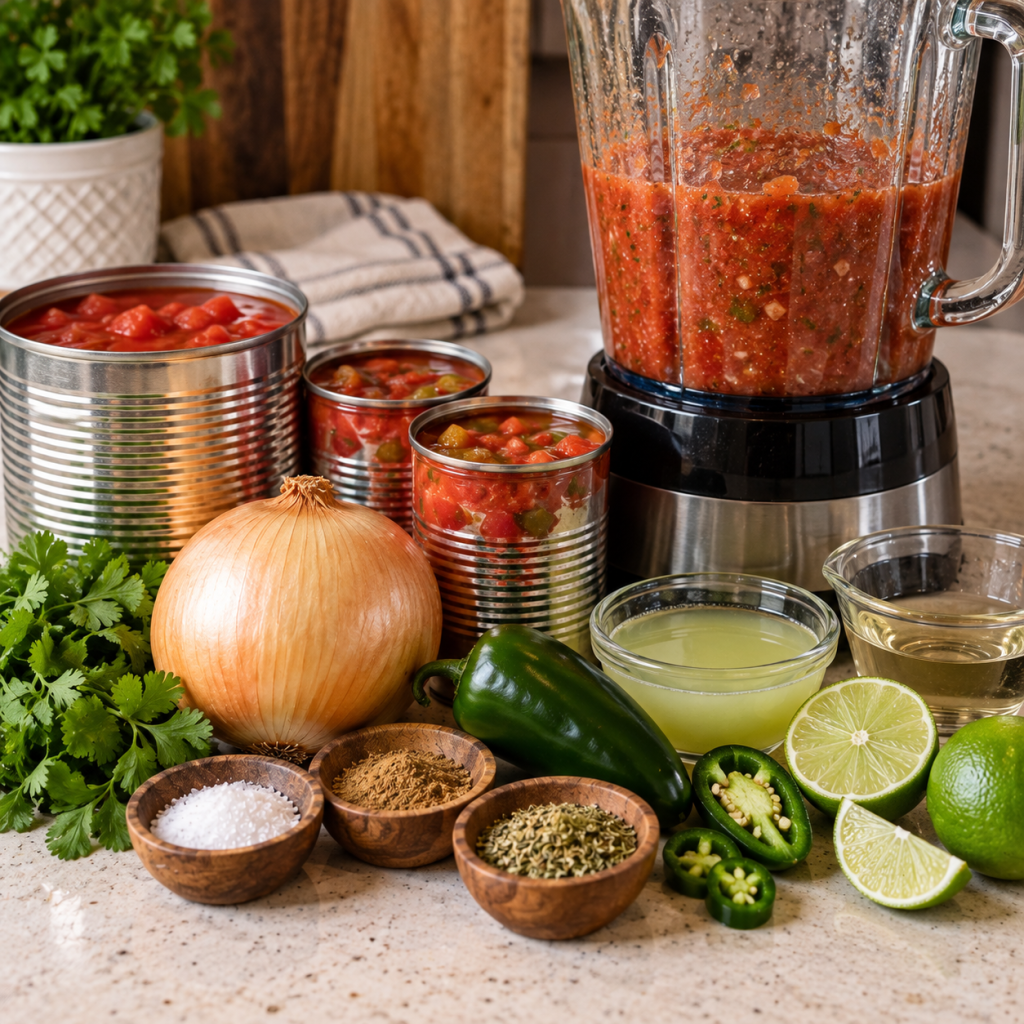
Blended Salsa
Fuel Flow: Neutral Fuel
Cantry Staple & Condiment
Serves: Multiple
Ingredients:
Tomato Base — Choose One:
1 (28-ounce) can diced tomatoes, with juice
1 fresh jalapeño, stem removed; remove the pale inner ribs and seeds for a milder salsa
OR
2 cans diced tomatoes with green chiles, with juice, 10–15 ounces each (such as Rotel)
Add
½ cup roughly chopped onion (about ⅓ large onion)
3 tablespoons white vinegar
3 tablespoons lime juice
1 teaspoon mineral salt
1 teaspoon ground cumin
1½ teaspoons dried oregano
Directions:
1. Add your chosen tomato base and all remaining ingredients to a blender.
2. Blend or pulse until the salsa reaches your preferred consistency.
3. Taste and adjust the salt, lime juice, or heat as desired.
4. Refrigerate until chilled. If time allows, let the salsa rest for at least 30 minutes before serving so the flavors can come together.
A Quick Fuel Flow Note:
The salsa itself is Neutral Fuel Condiment, so it can accompany Fat-Forward, Carb-Forward, Neutral Fuel, or Dual Fuel meals.
Let the rest of the plate determine the meal’s fuel focus and direction.
Affiliate Disclosure — Content Notice — Legal Disclosures — Newsletter — Home — Bottom of Post—TOP
This Recipe Has Room to Move
Different brands of diced tomatoes with green chiles come in different-sized cans. Rotel is commonly sold in 10-ounce cans.
Other brands of diced tomatoes and green chiles may be closer to 14 or 15 ounces.
You can use any variety you can find…or make(I keep cans of diced green chiles).
The larger cans will give you more salsa and a slightly softer seasoning profile. Make the recipe as written first, taste it, and then decide whether you actually need more salt, acid, heat, or seasoning.
This is one of those recipes with room to move.
That’s a useful kitchen skill in itself: learning where precision matters and where you have permission to taste, adjust, and keep going.
Smooth or Chunky
For a restaurant-style salsa, blend until fairly smooth.
For a chunkier salsa, use short pulses and stop while there’s still some texture.
Tomatoes also vary in how much liquid they contain, so don’t be surprised if one brand produces a slightly thinner or thicker salsa than another.
Adjust the Heat
For a milder jalapeño salsa, remove the pale inner ribs and seeds before blending.
For more heat, leave more of the pepper’s interior intact.
You can also choose hot diced tomatoes with green chiles, add red pepper flakes, or bring in a little chipotle for a smokier heat.
And when the garden is producing, fresh cilantro, garlic, green onions, ripe tomatoes, or additional peppers can join the blender too.
The pantry version doesn’t compete with the garden version. They serve different seasons, lifestyles and capacity levels.
Refrigerator Salsa and Canning Are Different Jobs
There is one place where I want to draw a firm line around all this flexibility.
This is a refrigerator salsa as described in the recipe.
This recipe is not being presented as a tested shelf-stable canning recipe.
That’s important precisely because I’ve just told you that this recipe has room to move.
Use different-sized cans.
Adjust the lime.
Change the peppers.
Add something from the garden if you want to, or can.
Taste and adjust.
Those are reasonable instructions for salsa you’re going to refrigerate and eat.
Shelf-stable home preservation is a different job.
When I preserve food, I use tested preservation instructions and make the specified processing adjustment for my elevation, which is rather high in my area of Montana. Altitude adjustment is one part of following a safe preservation method; it does not turn an untested recipe into a tested canning formula.
Acidity, ingredient proportions, jar size, processing method, elevation, and the particular tested procedure all matter.
I have canned salsa in my kitchen, using elements of this recipe and instructions from tested canning guides and elevation guidance for my canning tools. If you want salsa for shelf storage, use a current tested salsa recipe and follow its accompanying preservation instruction.
Affiliate Disclosure — Content Notice — Legal Disclosures — Newsletter — Home — Bottom of Post—TOP
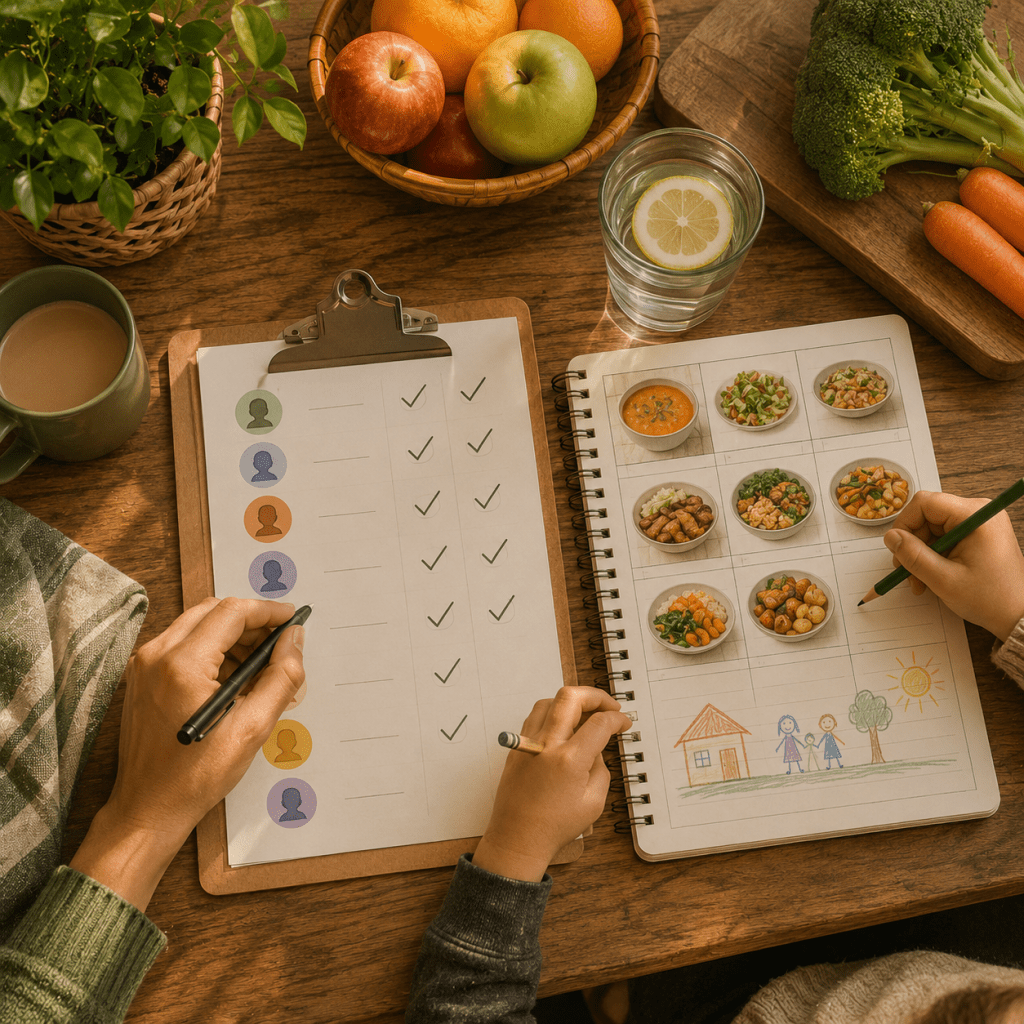
Whatever Season the Kitchen Is In
I don’t want to choose between being someone who grows food and someone who appreciates a can of tomatoes. I don’t have to.
The point of learning kitchen skills isn’t to make every meal more complicated.
It’s to build enough knowledge, resources, and flexibility that I have more ways to feed the people in front of me.
Sometimes that means tending the garden.
Sometimes it means preserving the harvest.
Sometimes it means investing in and thoughtful stocking of a pantry to pull from.
sometimes it means putting canned tomatoes, onion, lime, and seasonings into a blender and having salsa before I’ve had much time to think about it.
Different tools.
Similar skills.
Different seasons.
Same purpose.
Good food doesn’t lose its value because a can opener was involved.
The Treehouse Standard
Safe, not sorry. Always.
My household is gluten-free, so the ingredients and products I choose are selected with our family’s boundaries in mind. Brands, formulations, manufacturing practices, and labels can change. Always verify the specific products you purchase against the food boundaries that matter in your own household.
Affiliate Disclosure — Content Notice — Legal Disclosures — Newsletter — Home —TOP



Nicole Burch is a Trim Healthy Lifestyle Coach, author, and holistic family life mentor helping women and families rebuild through rooted rhythms, personal governance, and sustainable living. Blending nourishment, discernment, and restoration, she guides others toward resilience, peace, and healing—creating lives that are grounded, aligned, and nurtured at home.
Wellness That Withstands.
Rooted. Resilient. Restored.
Affiliate Disclosure — Content Notice — Legal Disclosures — Newsletter — Home —TOP
Trim Healthy Coach Disclaimer
Nicole Burch is a Certified Trim Healthy Mama Lifestyle Coach, independently offering services based on the THM plan. This coach is not an employee or agent of Trim Healthy Mama, LLC. Coaching services are independently managed, and THM is not responsible for results, business practices, or claims made by this coach.
Affiliate Disclosures
As an Amazon Associate, I may link to specific products that I believe in and trust. This is an affiliate link, and I may receive a small commission at no additional cost to you.
As a Trim Healthy Affiliate I may link to specific products that I believe in and trust from Trim Healthy Mama, LLC. If you make any purchases through my link I may receive a small commission at no additional cost to you
As a Queen of Thrones Affiliate I may link to specific products that I believe in. If you make any purchases through my link I may receive a small commission at no additional cost to you.
River Hills Harvest and Azure Standard referral links may be linked to specific products or images on this blog. If you make any purchases through my link I may receive a small commission at no additional cost to you.







Leave a Reply